In a world of calm neutral interiors and carefully curated minimalism, is there still room for a little joy, something that makes us smile? However much we admire these minimalist spaces and associate them with sophistication, most of us still crave colour, character and warmth.
Many people admire Japanese interiors and strive to emulate their calm sophisticated style in their own home. Yet my experience of visiting Japanese homes, restaurants and even temples is that there is almost always space for a little kawaii.
Cheerful characters on signage, cute illustrations on packaging and menus, or decorative figures tucked into corners and shelves are not accidental touches or signs of a messy mind. In many ways, they are an essential part of what makes that space feel distinctly Japanese.

In recent years, the appeal of minimalist living has become hard to ignore. Calming interiors, uncluttered shelves and soft neutral colours promise a sense of order in an increasingly busy and stressful world. And many of us have embraced this simplicity, finding comfort in spaces that feel serene and balanced.
Yet something interesting often happens when a home becomes too minimal. The room may be peaceful but it can also feel a little impersonal, almost like a stylish hotel room rather than a place where someone truly lives.
*
This is where the Japanese idea of ‘kawaii’ enters the picture. Often translated simply as ‘cute’, kawaii is much more than a playful aesthetic. It reflects a human desire for warmth, colour and emotional connection, the small touches that make us smile and soften the edges of daily life.
Perhaps that is why kawaii continues to appear in unexpected places, from the joyful fashion of Tomo Koizumi to the iconic smiling flowers created by contemporary artist Takashi Murakami. Beneath their bright colours and cheerful forms lies something deeper: a reminder that playfulness and sophistication do not have to be mutually exclusive.
What does ‘kawaii’ really mean?
The Japanese word kawaii (かわいい) is usually translated as ‘cute’, but the meaning is much richer than this simple direct translation. In Japan, kawaii expresses positive feelings of warmth, friendliness and emotional comfort. It’s used as much by middle aged adults as it is by kids. It can describe something small, charming, pretty or playful, something that naturally makes us smile.
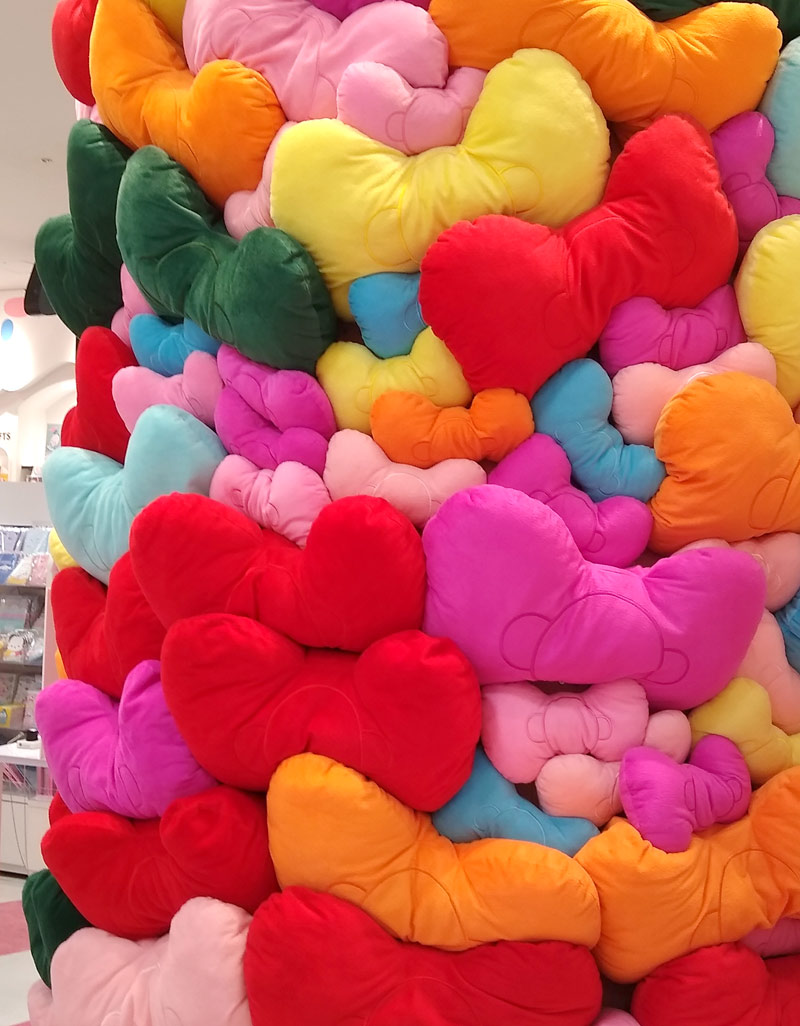
While the aesthetic is now recognised around the world, particularly through characters like Hello Kitty from Sanrio, the spirit of kawaii reaches far beyond character merchandise or children’s culture. In everyday Japanese life, it appears in subtle and unexpected places: cheerful illustrations on packaging, signage in public spaces that feature mascot characters and small decorative objects that soften the appearance of a room.
Rather than being childish, kawaii often reflects a deeper cultural appreciation for gentleness and approachability. In a society that values harmony and consideration for others, objects that appear friendly, soft or reassuring can create a welcoming atmosphere.
*
Seen in this way, kawaii becomes less about visual appeal and more about emotion. It brings warmth to everyday environments such as cafés and parks, even a dentist's office or doctor’s surgery. And it reminds us that even the simplest objects can (should?) carry a sense of mood-boosting joy.
Playfulness with sophistication
Although kawaii is often associated with everyday objects and popular culture, its influence reaches far beyond toys, figures and ornaments. In recent decades, artists and designers have embraced kawaii aesthetics in ways that are bold, expressive and surprisingly sophisticated.
Fashion designer Tomo Koizumi is a striking example. His dramatic creations, often formed from layers of vibrant ruffles in bright, joyful colours, feel playful and exuberant, yet they are also carefully crafted works of couture. Koizumi’s designs capture something essential about kawaii: the idea that delight, colour and imagination can coexist with elegance and artistic skill.
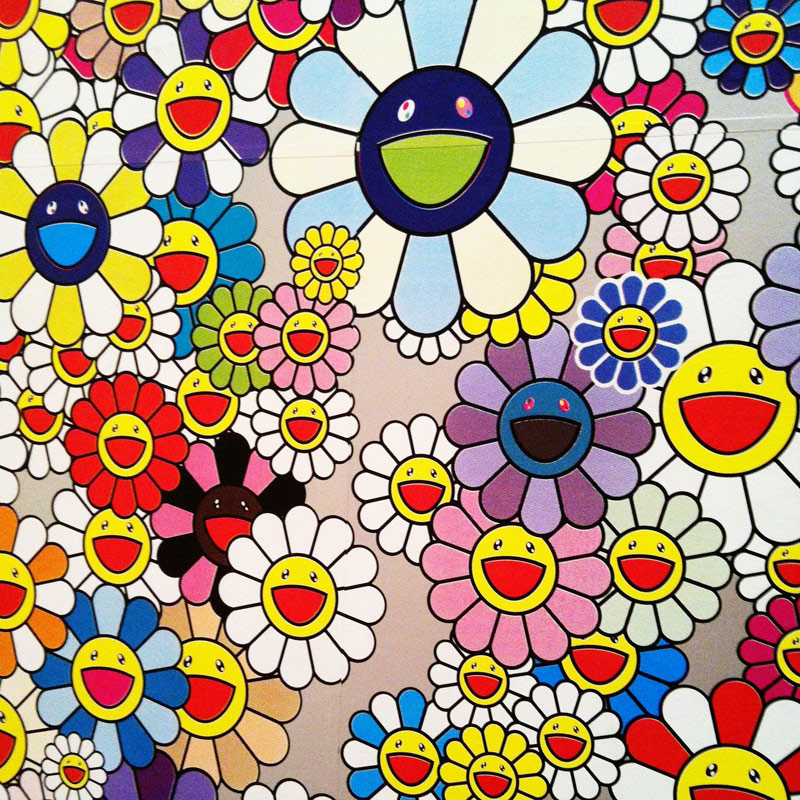
A similar spirit appears in the work of contemporary artist Takashi Murakami. His famous smiling flower motifs have become instantly recognisable around the world, appearing on clothes, accessories and gallery walls alike. At first glance the flowers seem simple and cheerful, yet they are part of Murakami’s artistic philosophy known as Superflat, which explores the blurred boundaries between fine art, commercial design and popular culture.
Both Koizumi and Murakami demonstrate that kawaii can be far more than a decorative style confined to fluffy toys and trinkets. Beneath the bright colours and whimsical forms lies a thoughtful exploration of emotion, identity and contemporary culture.
In this way, kawaii reveals an unexpected depth and a reminder that joy, creativity and sophistication can be natural partners.
Kawaii in everyday living
While artists and designers may explore kawaii on a grand scale and imbue it with irony or ambiguity, its true home is in everyday life. In Japan, these lighthearted touches often appear in the most ordinary of places, softening the spaces where people live and work.
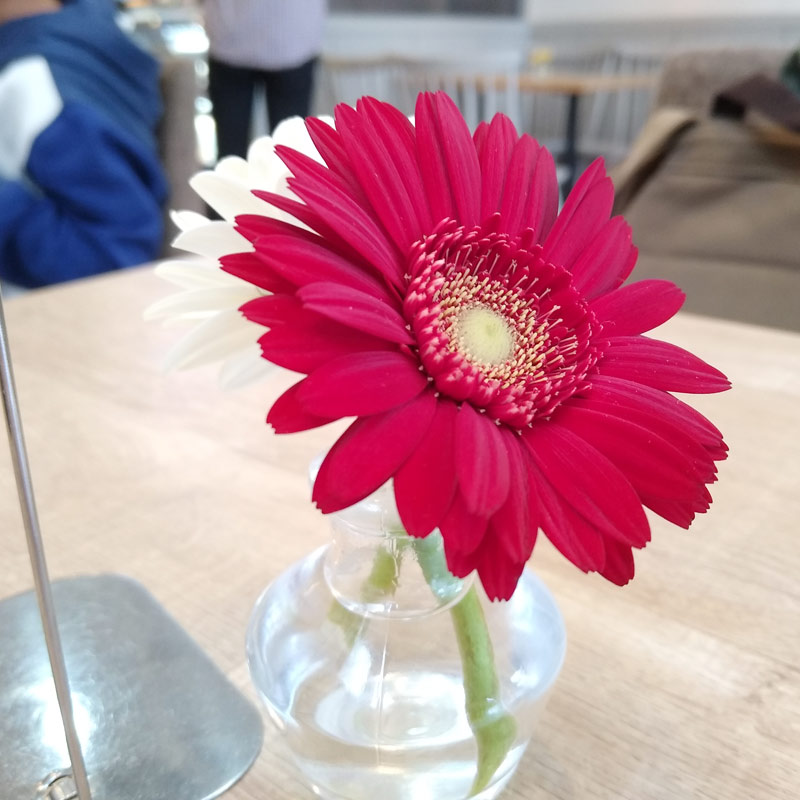
Many people outside Japan admire the country’s interiors for their calm, minimalist beauty and hope to recreate that sophisticated style in their own homes. Yet, quite quickly, visitors often notice something unexpected. In homes, cafés, shops, temples and shrines there is almost always space for a small moment of kawaii charm.
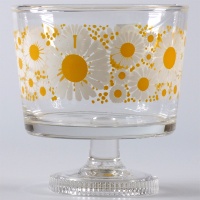
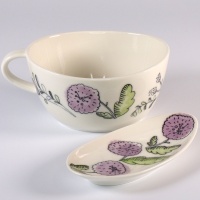
Crockery with floral patterns in soft pastel colours, fabrics that feature dainty prints or cute characters, household items decorated with kittens, bunnies and flowers - these touches are rarely accidental. They reflect the owner’s personality and are an opportunity for self-expression. But they also express a sub-conscious understanding that beauty and comfort are not only found in simplicity, but also in the small joys that brighten everyday life.
Seen in this way, kawaii becomes less about decoration and more about atmosphere. Within serene spaces, it introduces a gentle sense of personality and an important reminder that even the most carefully designed home should still feel welcoming and alive.

Small joys, carried with us
These small instances of kawaii charm are not confined to our living spaces.
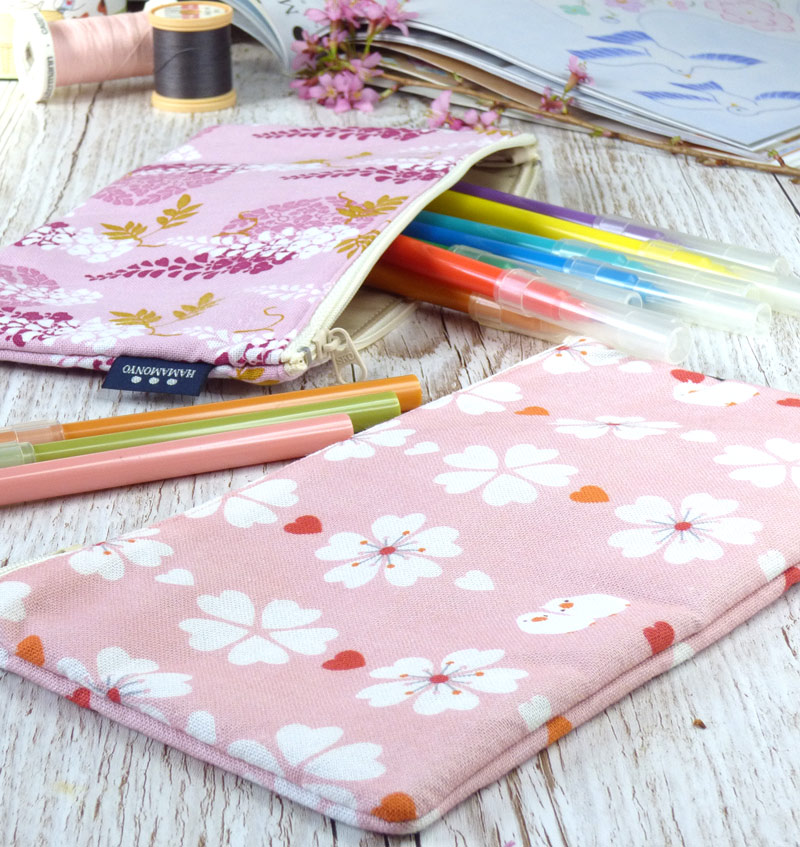
Kawaii also finds its way into the objects people carry with them each day. Personal accessories such as a cheery pencil case tucked into a work bag, a patterned purse or a cute tote that adds colour to an otherwise simple outfit all become a canvas for self-expression even if you’re the only one who knows it’s there.
Even technology, which might otherwise feel cold and functional, is softened through decoration. Phone cases are often personalised with charms, stickers and bright embellishments in a style sometimes known as ‘deco-deco’. Everyday devices are transformed into something uniquely expressive.
These small details may seem trivial at first glance, yet they play an important role in daily life.
*
A colourful accessory glimpsed during a busy day can offer a tiny moment of pleasure, a smile in the middle of a tough day and a reminder that personal style and individuality can exist even within the routines of work, commuting and modern technology.
In this sense, kawaii travels with us. It is not confined to the home or to decorative objects, but appears in the things we hold, carry and use throughout the day.
More than just cute, why kawaii still matters
In a fast-paced world that often values efficiency and restraint, it is easy to believe that sophistication must always be serious. Yet the enduring appeal of kawaii suggests something different.

Beneath its cheerful colours and playful forms lies a simple human desire: the need to feel comfort, warmth and lightness in our everyday surroundings.
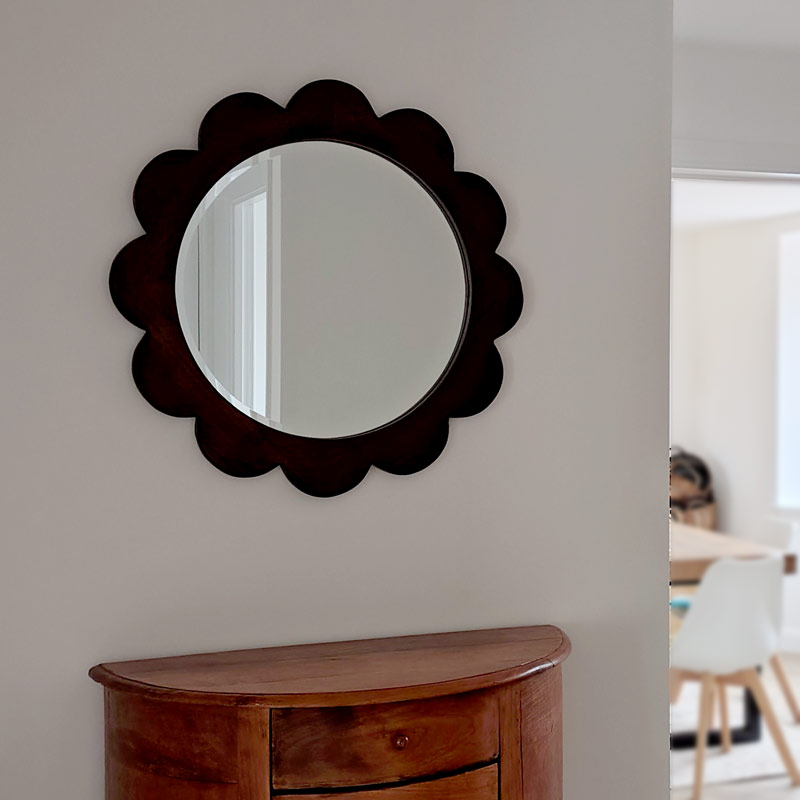
Perhaps this is why kawaii continues to find its place even within the most carefully curated spaces. A home may be calm and minimalist, but a single bright object can subtly transform the atmosphere, bringing personality and warmth.
In Japan, these small touches of charm appear everywhere: in art, in fashion, in the objects people carry and in the thoughtful details of everyday living. They remind us that beauty does not only come from clean design, but also from the little, intentional touches that make us smile and feel relaxed.
In a world that can feel industrious and serious, perhaps it’s no surprise that we still find comfort in things that have colour, character and charm - and are just a little bit cute.
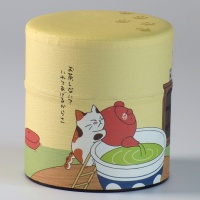
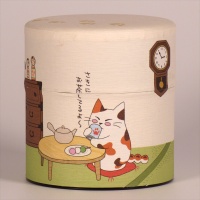
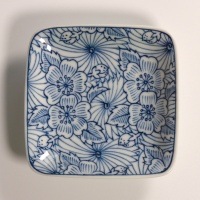
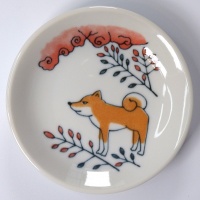
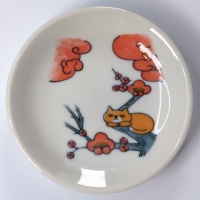
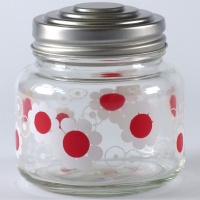
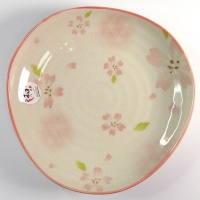
Sophisticated kawaii homeware at Hatsukoi
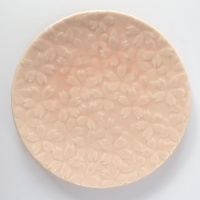
There are lots of kawaii designs at Hatsukoi, here are a few highlights in the shop:




*