Summer has certainly arrived in Britain. As temperatures climb, many of us find ourselves searching for shade, reaching for a cold drink or wondering how to keep our homes comfortable through the hottest part of the day.
While a few days of hot weather can feel unusual here in the UK, Japan experiences long, humid summers every year. So how do Japanese people cope with the hot weather?
In cities such as Tokyo and Osaka, temperatures regularly climb above 30°C, while high humidity can make the heat feel even more intense. Yet long before air conditioning became commonplace, people developed practical and surprisingly elegant ways to make summer more bearable.
From sprinkling water to cool pavements to hanging wind chimes that evoke the feeling of a refreshing breeze, some of these customs have been passed down for generations. Others have evolved into modern solutions, such as misting stations, cooling gadgets and urban design projects aimed at reducing the heat in busy cities.
As the UK experiences increasingly warm summers, perhaps there is something we can learn from these Japanese customs. Some are practical, some are beautiful and a few might even inspire us to see the hottest days of the year in a different light.
Cooling the streets
Many of us think about staying cool in terms of our own homes and gardens but some Japanese summer traditions take a broader view. Rather than focusing solely on personal comfort, they aim to make shared spaces more pleasant for everyone.

One example that you might have heard of is uchimizu, the practice of sprinkling water onto streets, pavements and outside entrances during hot weather. Dating back centuries, the custom uses evaporation to create a cooling effect while also helping to settle dust.
Traditionally, people would use collected rainwater or recycled household water, making it a simple and practical response to the summer heat.
*
Although uchimizu has ancient roots, it has not disappeared. Community uchimizu events are still held in towns and cities across Japan, where residents gather to sprinkle water and celebrate the tradition together.
The same desire to cool public spaces can also be seen in modern urban initiatives. During the hottest months, misting stations are sometimes installed in busy shopping streets, parks and transport hubs, providing a welcome burst of cool moisture for passers-by. Some cities have also experimented with heat-reflective or heat-reducing pavement materials that absorb less heat from the sun, helping to lower temperatures at street level.
While the methods may have changed, the underlying idea remains similar. Whether through a bucket of water outside a home or innovative materials beneath our feet, both traditional and modern approaches seek to make the wider environment a little more comfortable during summer.
Of course, once you've stepped inside, there are plenty of traditional ways to keep the home cool as well…
Inviting the breeze indoors
Before air conditioning became commonplace, Japanese homes were designed with the seasons in mind. During the summer months, the focus was often on encouraging airflow and creating shade rather than sealing the heat out completely.
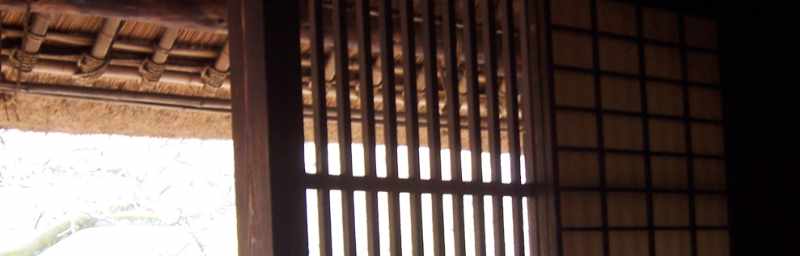
Traditional Japanese homes feature sliding doors and screens that can be opened to allow breezes to move through the building. Deep eaves help to shade interiors from the strongest sunlight, while natural materials such as bamboo and wood contributed to a lighter, more airy atmosphere.

One feature still seen today is sudare, bamboo blinds hung outside windows, verandas or doorways. These simple screens help to filter harsh sunlight while allowing air to circulate freely. Unlike heavy curtains, they create shade without blocking the breeze, making them a practical and attractive solution for summer.
These ideas remain surprisingly relevant today. Opening windows during the cooler parts of the day, creating shade on sun-facing windows and encouraging natural ventilation can all help to make a home more comfortable during periods of hot and humid weather.
Perhaps one of the most appealing aspects of these traditional solutions is their simplicity. Rather than relying on additional energy, they work with the natural environment to create a cooler and more pleasant living space.
The sound of summer
Not every way of coping with the heat is physical. In Japan, summer is also associated with sounds that evoke a feeling of coolness and relief.
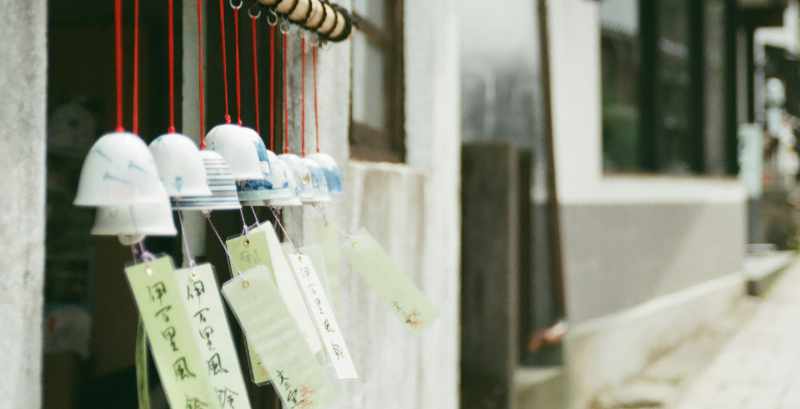
Among the most recognizable are furin (Japanese wind chimes), which are often hung outside homes, on balconies and verandas during the warmer months. Their delicate, clear tones catch the breeze, providing both a gentle sound and a subtle reminder of moving air.
The idea may seem strange, but there is a long-held belief that certain sounds can influence how we experience the season. The sound of flowing water, rustling leaves or a tinkling wind chime swaying in the breeze can create a sense of freshness, even on the hottest days.
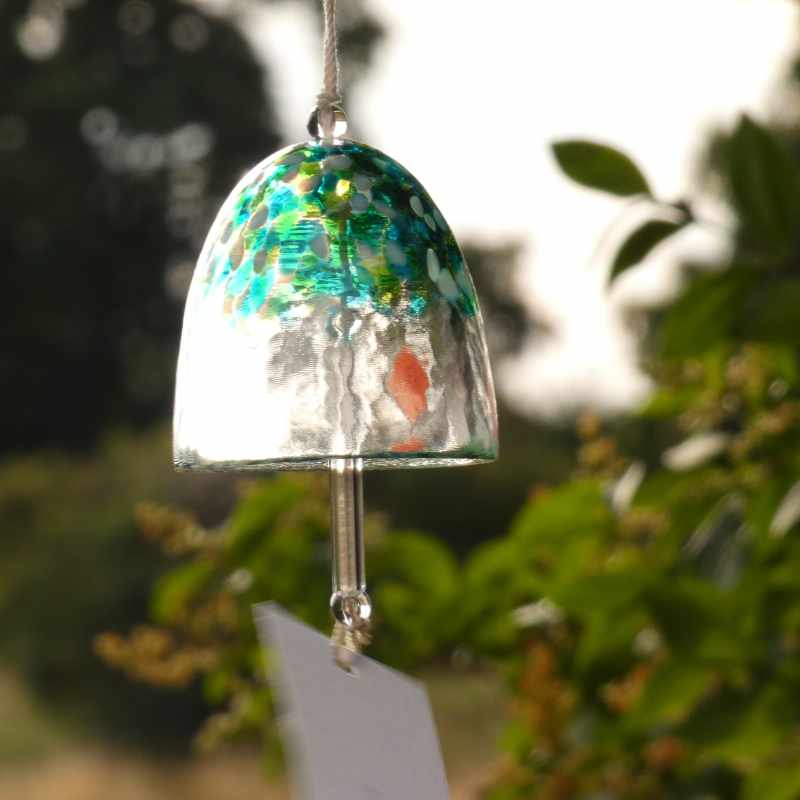
For many people, the sound of a furin is inseparable from memories of Japanese summer. It appears in films, anime, literature and seasonal artwork, instantly evoking images of shaded verandas, open windows and lazy afternoons.
While a wind chime may not lower the temperature, it reflects a distinctly Japanese appreciation for the small details that shape our surroundings. Sometimes, creating a feeling of coolness can be just as important as creating cool air itself.
Dressing for summer
Clothing is one of the simplest ways to stay comfortable in hot weather and Japan offers plenty of inspiration.
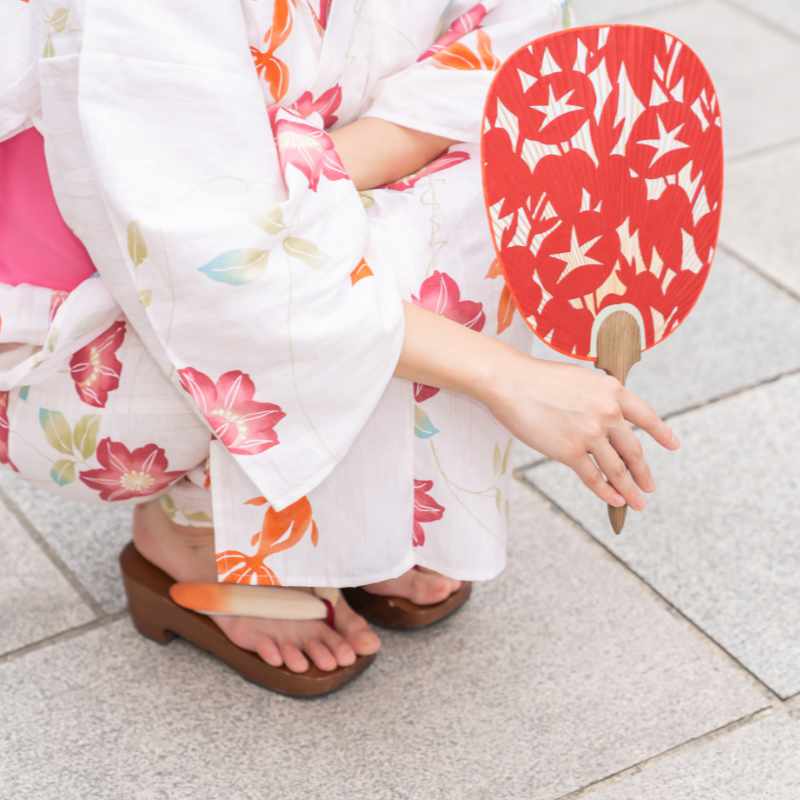
Traditional summer garments such as yukata remain a familiar sight during summer festivals, fireworks displays and seasonal events. Made from lightweight cotton, a yukata allows air to circulate around the body and feels noticeably cooler than heavier, more fitted clothing.
Even in everyday life, western-style Japanese summer fashions prioritise comfort in the heat. Oversized shirts, wide-leg trousers, airy dresses and lightweight natural fabrics are all popular choices, creating a loose silhouette. While styles change from year to year, there is often an emphasis on garments that sit away from the body rather than cling tightly to it - a practical approach when temperatures and humidity begin to rise.
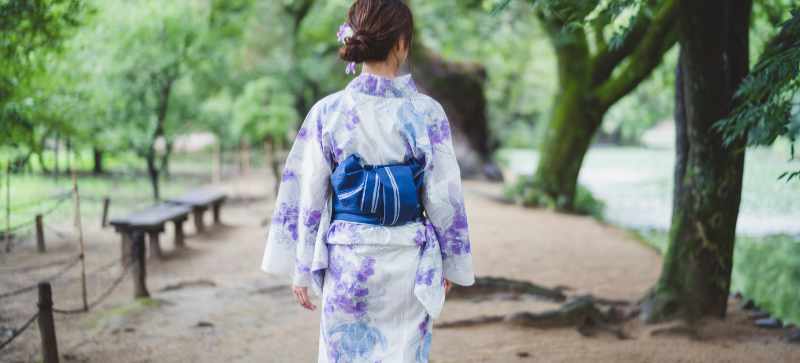
If you’ve been to Japan, you’ll have noticed that the Japanese don’t often leave a lot of skin exposed to the sun. In the west, we often strip off the minute the sun comes out but this ‘cover up’ approach avoids sun damage and premature aging. Japanese people tend to wear hats too in the summer. A wide, downward facing brim protects the eyes and face from the harmful glare of a strong sun.
Another common sight during Japanese summers are higasa, or parasols. Once associated primarily with women's fashion, parasols are now widely used by all people of all ages as a way to create portable shade while out in the open. Even convenience store umbrellas come with UV protection. On one trip, I bought an umbrella in Lawson during a late spring downpour but found it equally useful as protection from the strong sunshine. It was pretty cheap, but I still have it and use it both in sun and rain!
Small cooling accessories are also part of daily life. Hand towels, such as tenugui, and face cloths are commonly carried in bags and pockets, ready for drying hands, wiping away perspiration or simply freshening up on a humid day. A Japanese friend of mine often carries a damp cloth to cool her face and neck when temperatures soar. It's a simple idea that I've happily adopted myself.
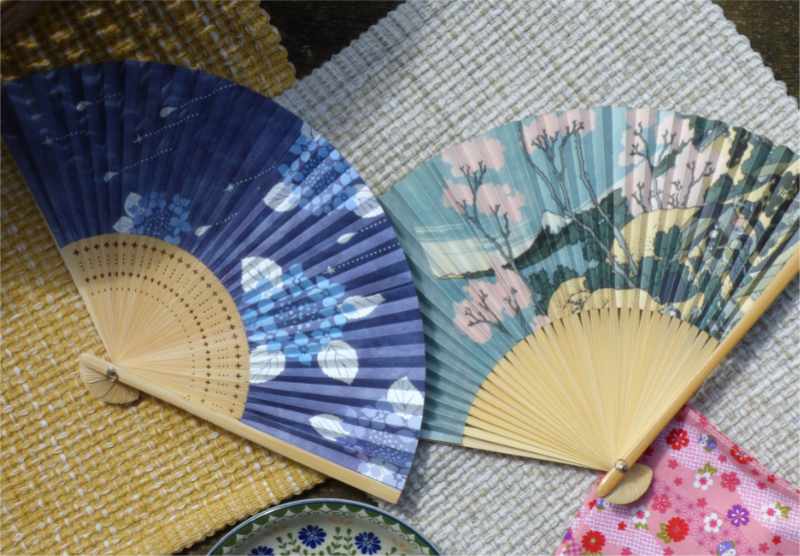
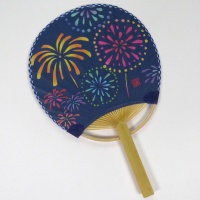
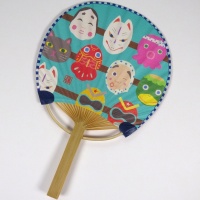
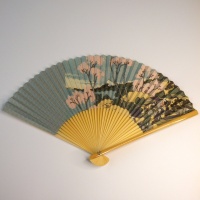
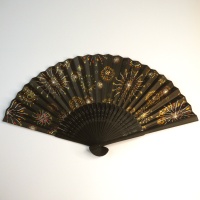
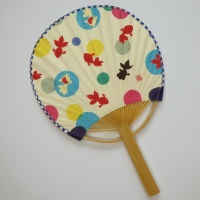
Of course, Japan has also embraced a wide range of modern cooling products, from rechargeable handheld fans to cooling sprays and wearable neck fans. These gadgets can be effective, particularly during periods of extreme heat, however, I find myself drawn to some of the simpler solutions. A parasol, a damp face cloth or a traditional folding fan require no batteries, create little to no waste and consume no additional energy.
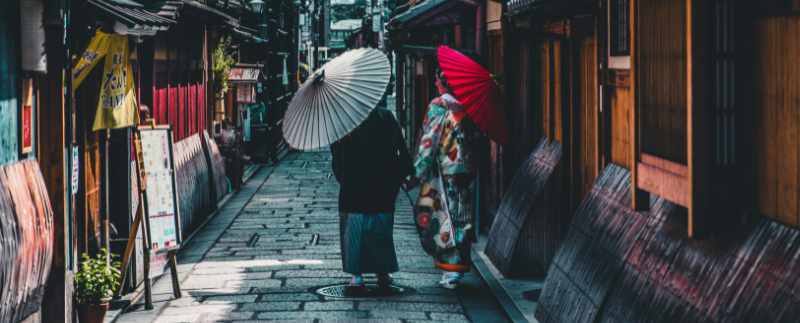
There is something appealing about these small, low-tech ways of adapting to the season, they remind us that comfort doesn't always require technology.
Cooling the body and mind
One of the most enjoyable ways to cope with the heat is through food and drink and Japanese summer cuisine is full of dishes designed to refresh.
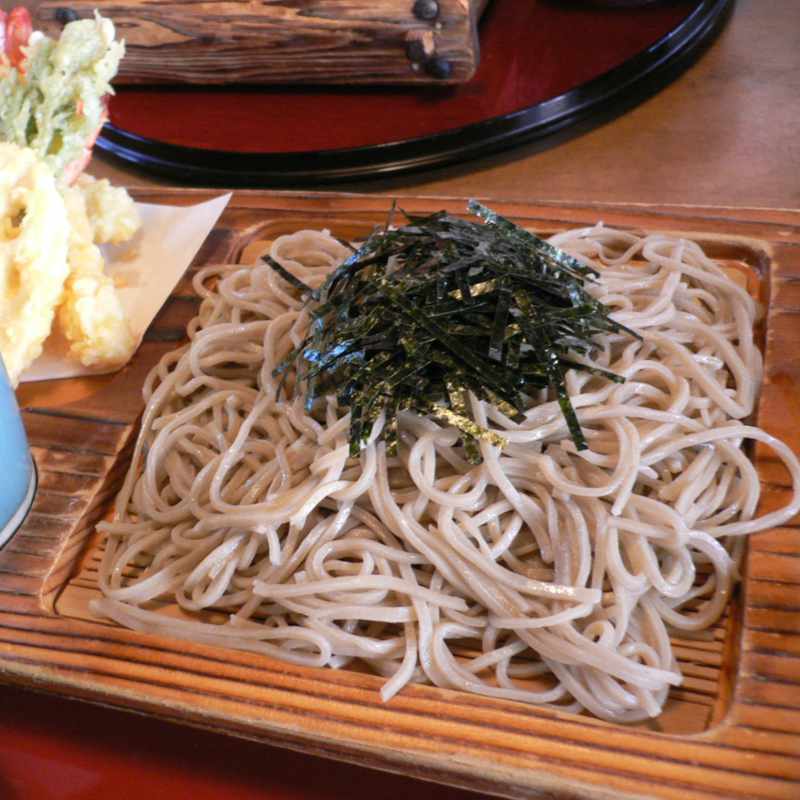
Cold noodle dishes are particularly popular during the warmer months. Zaru soba, chilled soba noodles served with a dipping sauce, is a personal favourite of mine. Light, refreshing and easy to eat even on the hottest days, it perfectly captures the appeal of Japanese summer food. Another seasonal staple is hiyashi chūka, a chilled noodle dish topped with colourful ingredients such as cucumber, egg and ham, making it both cooling and visually appealing.
Cold drinks also play an important role. Mugicha (barley tea) is a summer classic, often served straight from the fridge and enjoyed throughout the day. Naturally caffeine-free and wonderfully refreshing, it is a familiar sight in homes, restaurants and convenience stores across Japan.
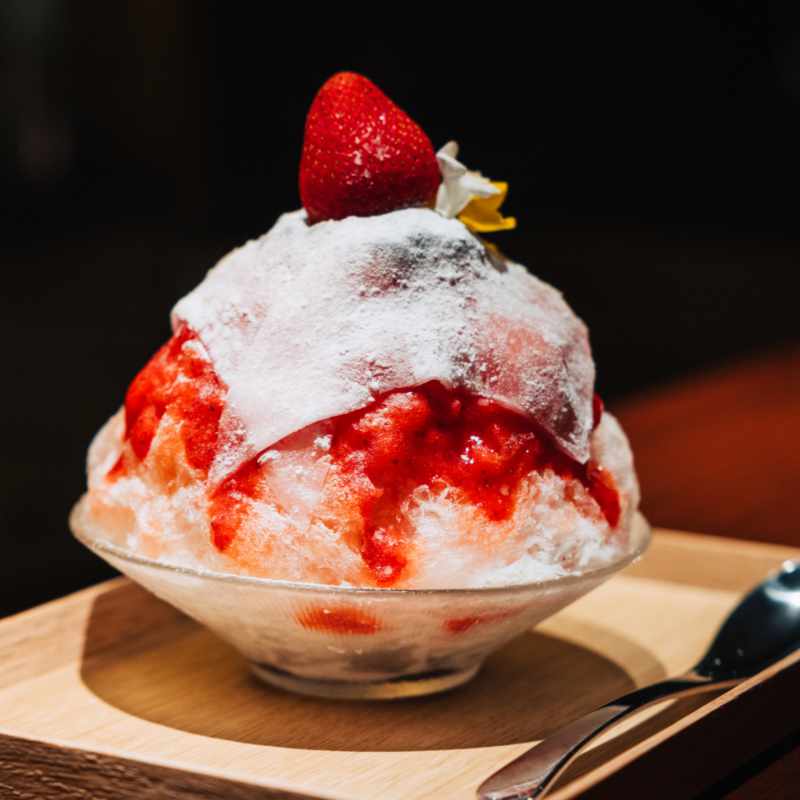
For those with a sweet tooth, summer brings an array of cooling desserts. Kakigōri, a mountain of finely shaved ice topped with flavoured syrup, has been enjoyed in Japan for generations and is still a seasonal favourite.
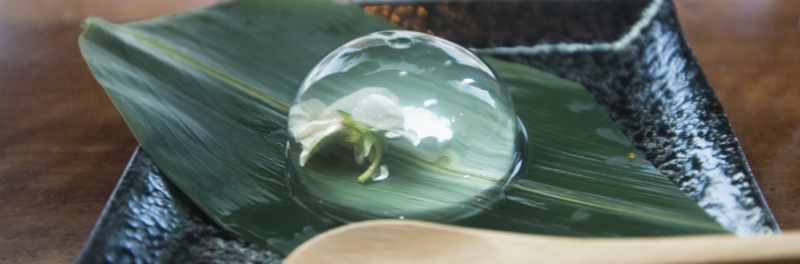
Fruit jellies are another popular treat. Whenever I visit Japan, I find them hard to resist. Chilled and delicately flavoured, they seem perfectly suited to a humid summer afternoon. One of Japan's most enchanting summer sweets is the raindrop cake, mizu shingen mochi. A crystal clear and delicately flavoured jelly, it is designed to resemble a drop of pure water. While the traditional version is served simply with kuromitsu (black sugar syrup) and kinako (roasted soybean flour), modern creations sometimes feature tiny candy goldfish, delicate leaves or flower petals suspended within the jelly, creating a beautiful watery scene that is almost too pretty to eat.
Summer also influences how food is enjoyed. When exploring Japan, I often find myself visiting the food halls beneath department stores, known as depachika. Their counters are filled with beautifully prepared bento, fresh salads and seasonal side dishes that lend themselves perfectly to a picnic in a nearby park or garden. During the hotter months, these kinds of lighter meals feel far more appealing than heavy, comforting dishes.
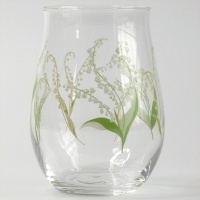
What fascinates me most, however, is that Japanese summer food is not only designed to cool the body. It is often presented in ways that create a sense of coolness as well. Clear glass bowls, chilled plates, ice, water motifs and seasonal colours all contribute to the experience. A simple drink can feel more refreshing when served in a beautiful glass tumbler, just as a bowl of cold noodles appears cooler when presented on glassware with ice.
A feeling of coolness
This idea appears throughout Japanese summer culture. From wind chimes and bamboo blinds to chilled desserts and glass tableware, there is an appreciation that comfort is shaped not only by temperature, but by atmosphere. Sometimes the feeling of coolness can be just as important as cool air itself.
Japanese summer customs are not simply about lowering the temperature. They are about creating an environment that feels cooler, calmer and more pleasant.
As our own summers grow warmer, perhaps there is something to be learned from these traditions. Not every solution needs to be high-tech. Sometimes a little shade, a cooling breeze, a bowl of cold noodles or the relaxing sound of a wind chime is enough to make super-hot summer days feel just a little more comfortable.
*
Summer products at Hatsukoi:


*


*


*


*