By the time February arrives, many of us are already a little weary of being told how we should be eating. After weeks of headlines, resolutions and strict diet plans, it’s easy to feel that healthy living has become more about pressure and conformity than nourishment.
But lasting lifestyle changes rarely grow from harsh rules. They tend to come from gradual shifts in habit and perspective.
A more inspiring time for healthy eating
January is often seen as the month for dramatic resolutions and strict new routines but, in actuality, it can be one of the hardest times of year to change our habits. The days are short, the weather is cold and energy levels tend to run low. Good intentions often collide with winter reality!
February on the other hand can actually be a better moment to begin. The days are slowly getting lighter, there’s a hint of spring in the air and it feels a more natural time to make small lifestyle adjustments.

Instead of focusing on diets or restrictions, it can be refreshing to look at food cultures built around balance, variety and everyday nourishment. Japanese home-style cooking is often admired for these qualities as it offers simple patterns and habits that support steady wellbeing: variety in small dishes, warming soups, seasonal ingredients and mindful portions.
Why are Japanese eating habits are often seen as healthy?
Japanese food is often described as one of the world’s healthiest cuisines. It's packed with healthy ingredients but that isn't the only reason. It’s also the overall structure and mindset around meals that makes the difference.
Traditional home-style meals tend to be built around balance and variety rather than abundance. Instead of one large, central dish, a typical meal is made up of several smaller components, including rice, soup, vegetables and a protein, each prepared or flavoured in a different way. This naturally creates diversity in nutrients, flavours and textures without needing large portions of any one thing.
One helpful framework behind this is the idea of 'ichiju-sansai' or 'one soup, three sides'. While everyday meals don't always follow this format, the pattern is influential. It encourages a combination of vegetables, proteins and fermented foods alongside rice and soup, creating a sense of nutritional completeness.

Another long-standing saying in Japan is 'hara hachi bun me' or 'eat until you are 80% full'. The idea here is to be aware and appreciative of what you’re eating and to stop when comfortably satisfied rather than carrying on until you can’t eat any more. It’s a simple principle but it encourages mindfulness and helps prevent overeating without strict dietary rules or calorie counting.
Another notable feature is how often fermented foods such as miso, pickles and soy products appear in daily meals, along with a strong awareness of seasonality. Ingredients change with the time of year, which naturally creates variety and keeps meals feeling connected to the wider rhythms of nature.
Taken together, these habits create a way of eating that is structured, varied and moderate, focusing less on restriction and more on steady nourishment.
Healthy habits beyond ingredients
When people talk about healthy cuisines, the focus is often on ingredients but everyday eating habits matter just as much. Japanese meal culture includes several small practices that naturally encourage balance and mindfulness.
One is the emphasis on variety in small portions. Meals are often made up of several modest dishes rather than a single large serving. This creates satisfaction through contrast - different colours, textures and cooking methods - without relying on sheer quantity.
This variety may also help explain an interesting difference in eating patterns. In many Western meals, the structure centres on one large savoury main course, followed by a separate sweet dessert. Even when we feel physically full, we may still want 'something sweet' because the meal itself offered only a narrow flavour range.
By contrast, a Japanese-style meal often includes a broader spread of tastes within the main meal itself. Savoury, umami-rich, lightly sweet vegetables and egg, pickled or acidic notes all sit side by side along with a warm soup and rice. That range of flavours and textures can feel more complete, reducing the sense that something is missing at the end.
The way food is eaten also plays a role. Using chopsticks tends to slow the pace of eating, encouraging smaller mouthfuls and more attention to the flavour and texture. Combined with thoughtful presentation, even at home, this can turn an ordinary meal into something more deliberate and less rushed.
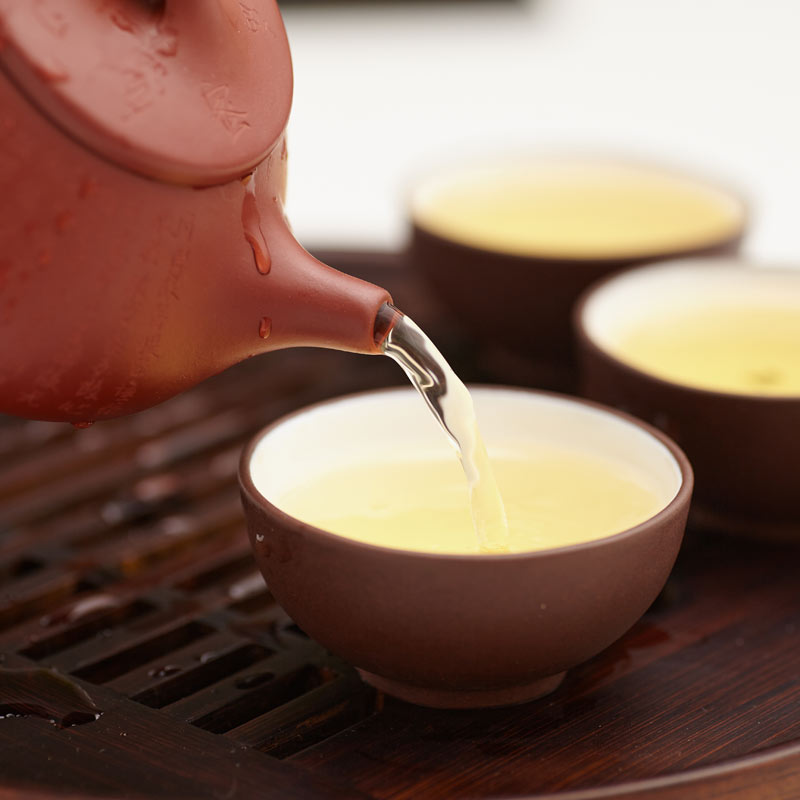
Warm liquids are another everyday feature. Soup is common and tea is frequently served with meals instead of sweet drinks. This adds hydration and comfort while keeping flavours clean and simple. Green tea in particular is closely associated with daily life and is often enjoyed without ceremony.
Seasonality also shapes habits at the table. Meals shift with the time of year with lighter preparations, such as cold soba noodles in spring and summer months and simmered, more warming dishes like nabe and oden in winter.
*
This rhythm helps keep food varied and naturally suited to the body’s needs during different seasons.
And alongside all of this sits the principle of 'hara hachi bun me', stopping before complete fullness, which turns eating into a conscious act rather than an automatic one.
Taken together, these habits show that healthfulness isn’t only about what appears on the plate, but also the pace, structure and awareness that surround a meal.
Healthy Japanese foods that are easy to add at home
One of the strengths of Japanese home cooking is that many of its healthiest elements are simple and adaptable. You don’t need specialist equipment or hard-to-find ingredients to borrow some of these ideas. Just some small additions can make a noticeable difference to everyday meals.
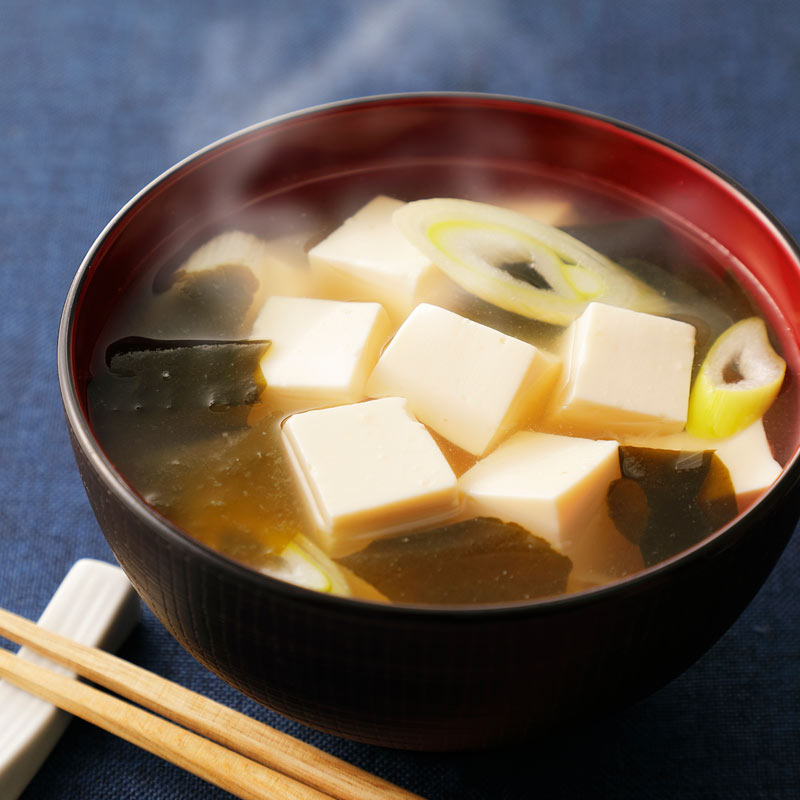
Miso soup is one of the easiest starting points. Made from fermented soybean paste, it’s light, savoury and comforting, especially in colder months. It can be as simple as a light broth made with miso paste and a few vegetables such as onion, mushrooms and potato. Build it up with greens, sweet potato, carrots or tofu - I find it a great way to use up the ends of leftover vegetables in the fridge. A small bowl alongside your meal adds warmth and depth without heaviness.
Grilled or steamed fish is another cornerstone of Japanese meals. Oily fish such as salmon or mackerel are especially valued and usually seasoned quite simply with sea salt, a little soy sauce or a light miso glaze. No cream or butter here! The emphasis is on clean flavours rather than rich sauces.
Tofu and soy-based foods offer flexible, plant-based protein. Firm tofu can be pan-seared or added to stir-fries and soups, while silken tofu works well in broths or chilled dishes. Even swapping part of a meat dish for tofu can lighten a meal while keeping it satisfying.
Seaweed can be surprisingly easy to incorporate. Nori sheets with rice, wakame in soup or a sprinkle of seaweed flakes over salads or noodles adds minerals and umami flavour.
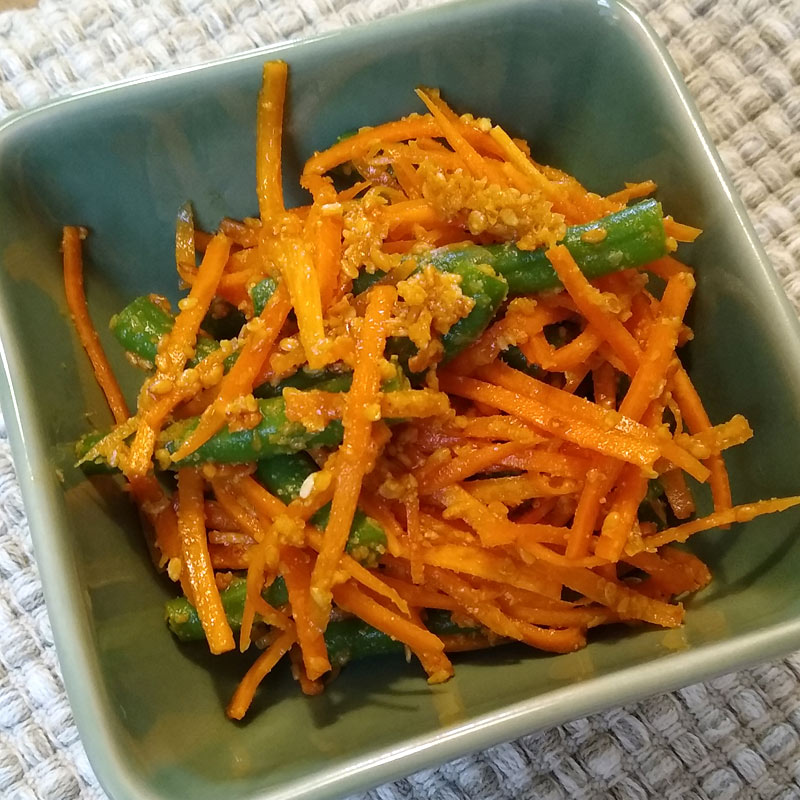
Vegetable side dishes, lightly dressed, simmered or quickly pickled, are central to Japanese meal structure. Simple preparations such as sesame green beans, soy-dressed spinach or quick cucumber pickles can bring contrast and freshness to an otherwise familiar plate.
It's totally possible to take Japanese influence and create something that uses more familiar ingredients. For example, while traditional nabe hotpot can be elaborate, the underlying idea is very approachable: a pot of light broth filled with a mixture of vegetables, proteins and tofu, gently simmered and shared.
*
A nabe-style meal at home can be as simple as a Japanese-inspired stew using seasonal vegetables, mushrooms, leafy greens and sliced meat or tofu. The focus is on variety, warmth and balance rather than trying to reproduce an authentic Japanese dish.
These foods work well not as a complete dietary overhaul but as small additions; extra elements that bring variety and nourishment into meals you already enjoy.
A simple Japanese-inspired balanced meal
To see how these ideas come together, it can help to picture a simple Japanese-inspired meal layout. This isn’t about strict authenticity but about using what you can find locally, with a bit of seasoning, to produce a meal with balance, variety and nutritional satisfaction.
A basic structure might look like this:
A bowl of rice
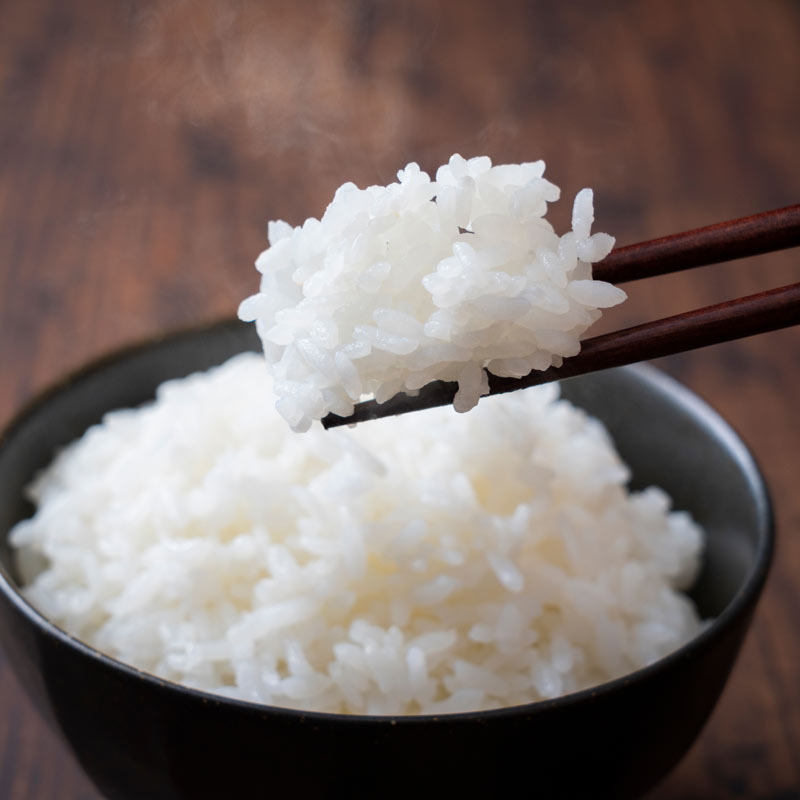
A sacred staple in Japan, rice provides a steady, neutral base for the meal and pairs easily with strongly flavoured sides. It helps anchor the meal and makes smaller dishes feel more satisfying.
A light soup
A small bowl of miso soup with tofu, mushrooms or greens adds comforting warmth. Soup naturally slows the pace of eating and makes the meal feel more complete. If you make too much for one meal, you can keep it in the fridge overnight.
One protein dish
This could be grilled salmon, baked mackerel, pan-seared tofu or, if you have more time, chicken, for example, simmered with soy sauce and ginger. The seasoning is usually straightforward, allowing the flavour of the main ingredient to stand out.
Two vegetable sides
Choose contrasting preparations for interest, for example:
- Root vegetables or mushrooms simmered with dashi stock or soy sauce along side
- Green vegetables such as cabbage, french beans or spinach lightly dressed with sesame and soy sauce.
A small pickled or sharp element
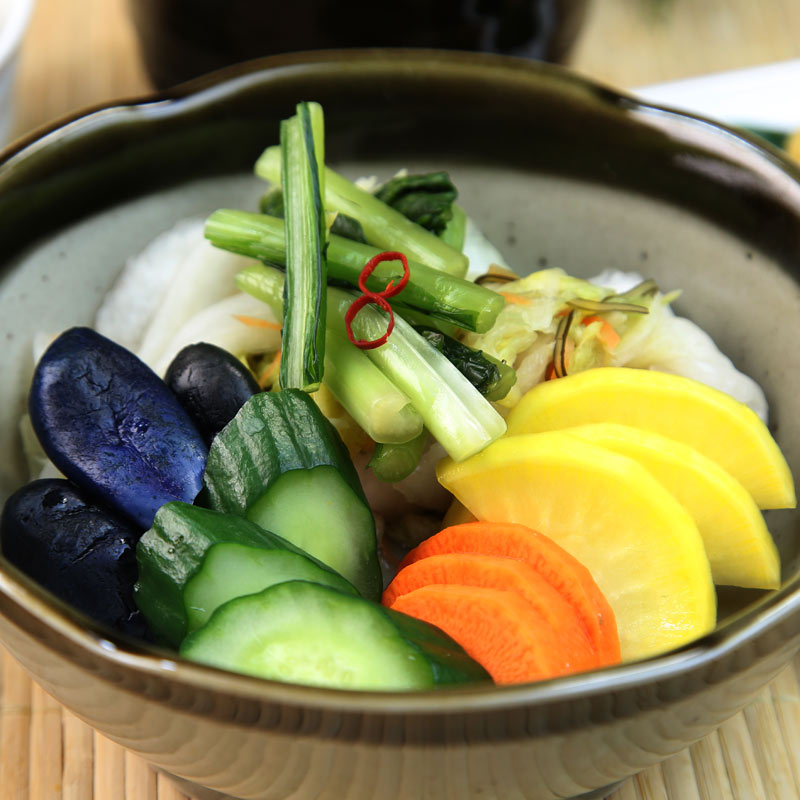
Even a spoonful of quick pickles or a splash of rice-vinegar dressing adds brightness and helps balance richer flavours. Japanese pickles, tsukemono, are really easy and fun to make and you can keep them for a couple of days in the fridge.
Green tea
Served alongside or after the meal, tea provides a refreshing palate-cleanser without sweetness.
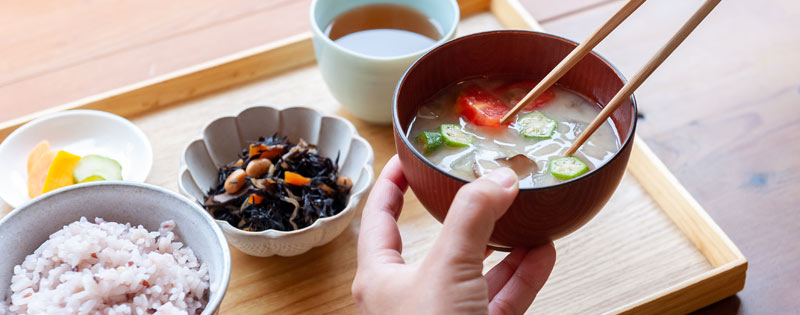
Many of these dishes become much easier to prepare when you keep a few Japanese staples in the cupboard or fridge. Ingredients such as soy sauce, miso paste, rice wine vinegar, mirin and dried seaweed are widely available these days and keep well.
A packet of firm tofu, some seaweed for soups or salads and a little wasabi paste can go a long way in adding Japanese flavour and variety to simple ingredients. With just a small set of basics on hand, it becomes much easier to build Japanese-inspired meals without special shopping trips.
Small shifts, steady nourishment
Healthy eating doesn’t have to begin with strict rules or dramatic resolutions. In fact, it often works better when it starts small with a few thoughtful additions, a little more variety and a bit more awareness at the table.
February, with its slowly lengthening days and hints of seasonal change, is a good moment for that kind of gradual reset. Rather than trying to overhaul everything at once, we can take inspiration from food cultures that value balance, moderation and everyday care.
Japanese meal traditions offer a useful reminder that nourishment is not only about nutrients but also about rhythm and attention - various small contrasting dishes, seasonal ingredients and the simple practice of stopping before we are overly full. These are habits that can develop to support wellbeing over time.
Not a new diet, not a new rulebook, just a slightly different way of building a meal.
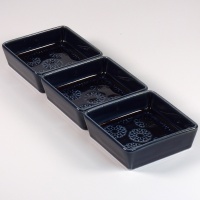
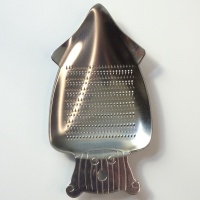
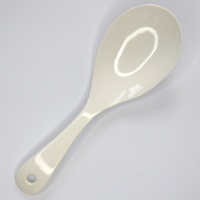
Japanese kitchenware at Hatsukoi:

*


*