In Japan, even the smallest everyday object is often the result of careful thought. Over time, Japanese manufacturing has become known for its ability to refine and reimagine daily life, making things smaller, quicker and easier to use.
From compact designs that make the most of limited space, to the efficiency of production systems designed to reduce waste and waiting time, there is a focus on removing friction and frustration from everyday tasks.
And whilst often being at the cutting edge of technology, many Japanese products are designed to feel friendly and approachable, using soft colours and charming details, or a reassuring simplicity with minimalist design that belies the technology beneath.
It’s this balance of ingenuity and warmth that gives so many Japanese inventions their distinctive charm - and sometimes, their delightful sense of quirkiness.
Everyday convenience and care
Many Japanese inventions focus on small improvements to daily routines, the kinds of thoughtful touches that make busy mornings smoother, commutes more pleasant and everyday habits a little more enjoyable.
A wellness drink in a tiny bottle
Yakult is one of those Japanese inventions that many people recognise but few realise has such a long and thoughtful history.
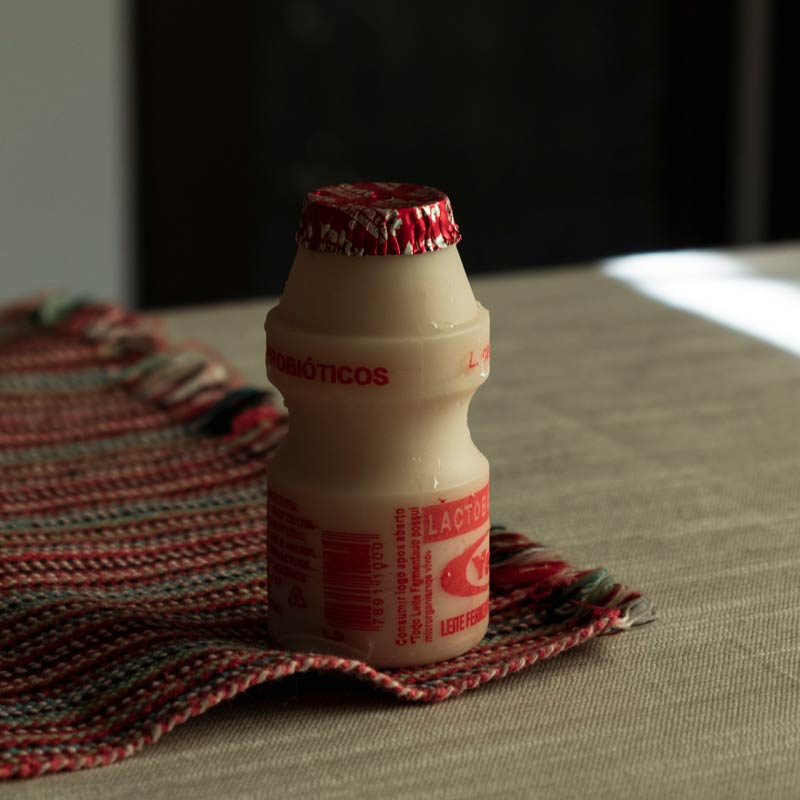
It was developed in 1935 by the Japanese scientist Minoru Shirota, who believed that good health should be accessible to everyone and not just a luxury.
At a time when gut health and probiotics were not widely understood, Dr Shirota successfully cultivated a strain of beneficial bacteria that could survive the journey through the digestive system. His aim was simple but powerful: to help prevent illness by strengthening the body from within.
The result was Yakult - a small, slightly sweet fermented milk drink designed to be taken daily. Its size, flavour and packaging were all carefully considered: easy to drink, easy to carry and simple enough to become part of an everyday routine.
Over the decades, Yakult has become a familiar sight not only in Japan but around the world. Part of its success lies in that balance of scientific innovation and human-centred design. It doesn’t feel like medicine and it doesn’t demand a lifestyle change. It simply slips into daily life and offers a small moment of care each day.
In this way, Yakult reflects a broader Japanese approach to wellbeing: preventative, consistent and supportive of your general health, rather than a dramatic or extreme change to your routine.
A hot pick-me-up on the go
In Japan, even something as simple as a can of coffee has been thoughtfully refined to suit everyday life. First introduced in the late 1960s by companies such as UCC Ueshima Coffee Co., canned coffee quickly became a staple for commuters, office workers and travellers looking for a quick, reliable pick-me-up.
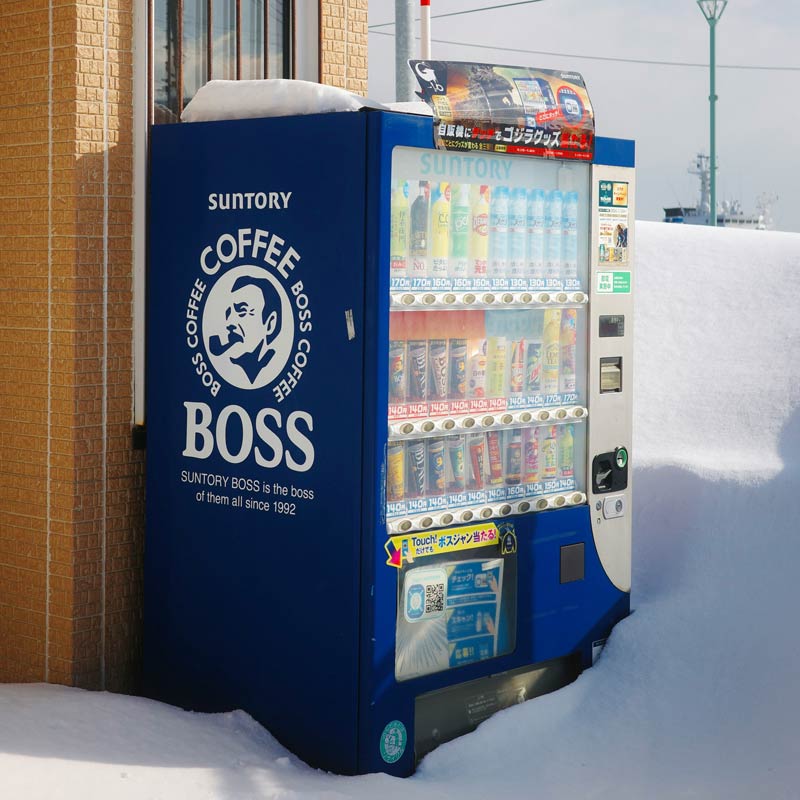
What might be a surprise to first-time visitors to Japan is that the coffee isn’t always cold. Japanese vending machines are designed with separate temperature-controlled compartments which means that some cans are kept heated and ready to drink. On a cold morning, there is something particularly comforting about holding a warm can of coffee in your hands as you step onto a train or walk to work.
Whether you prefer it black, lightly sweetened or with milk, the flavour is familiar and dependable - so convenient in the middle of a busy day. Even the packaging is designed with care, often colour-coded so you can quickly tell at a glance which drinks are hot and which are cold.
Like many Japanese inventions, canned coffee is not about extravagance or novelty. Instead, it reflects a certain attentiveness to everyday needs. It’s warmth, convenience and a little pause for yourself wherever you happen to be.
Bringing a small luxury into everyday life
For many of us, baking bread at home feels like something that requires time, patience and a fair amount of skill. The idea that a compact machine could mix, knead, prove and bake a loaf from start to finish can seem almost magical and yet this is exactly what Japanese bread makers were designed to do.
The modern home bread maker was developed in Japan in the late 1980s, with companies such as Panasonic leading the way. Engineers worked closely with bakers to understand the skillful techniques involved in kneading dough properly, even studying the hand movements of professional bakers so the machine could replicate them as closely as possible.
The result was a device that made fresh bread achievable for anyone, even in a busy household. Simply add the basic ingredients, set the timer and the machine takes care of the rest. By the morning, a warm loaf of fresh bread is ready to enjoy.
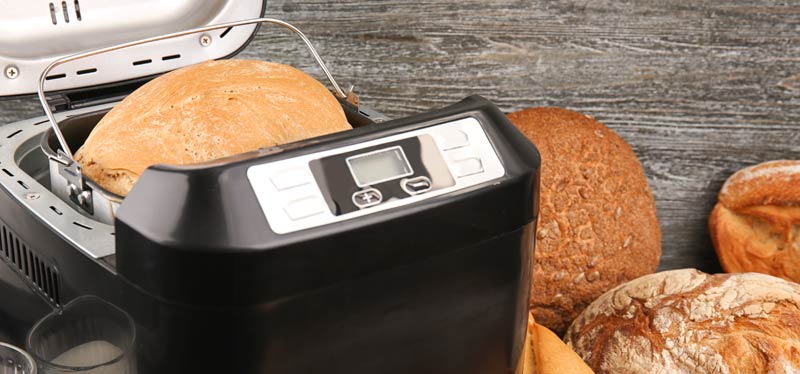
Something that once needed time set aside, like a weekend project, is transformed into a simple daily pleasure.
As with so many Japanese inventions, the bread maker reflects a desire to bring small comforts into everyday life. It doesn’t replace the craft of baking but it opens the door for more people to enjoy it, filling the home with the smell of baking and having fresh bread each day, with very little effort at all.
Connection and expression
As well as making life more convenient, many Japanese ideas focus on helping people connect, communicate and share experiences in comfortable, relaxed ways.
Singing together, without the spotlight
Karaoke (カラオケ) is often one of the first things people think of when they picture modern Japanese culture. Groups of friends sing late into the evening, sharing laughter and favourite songs. Watch the eyes of your Japanese friends turn misty as they listen to an old song they remember from their childhood.
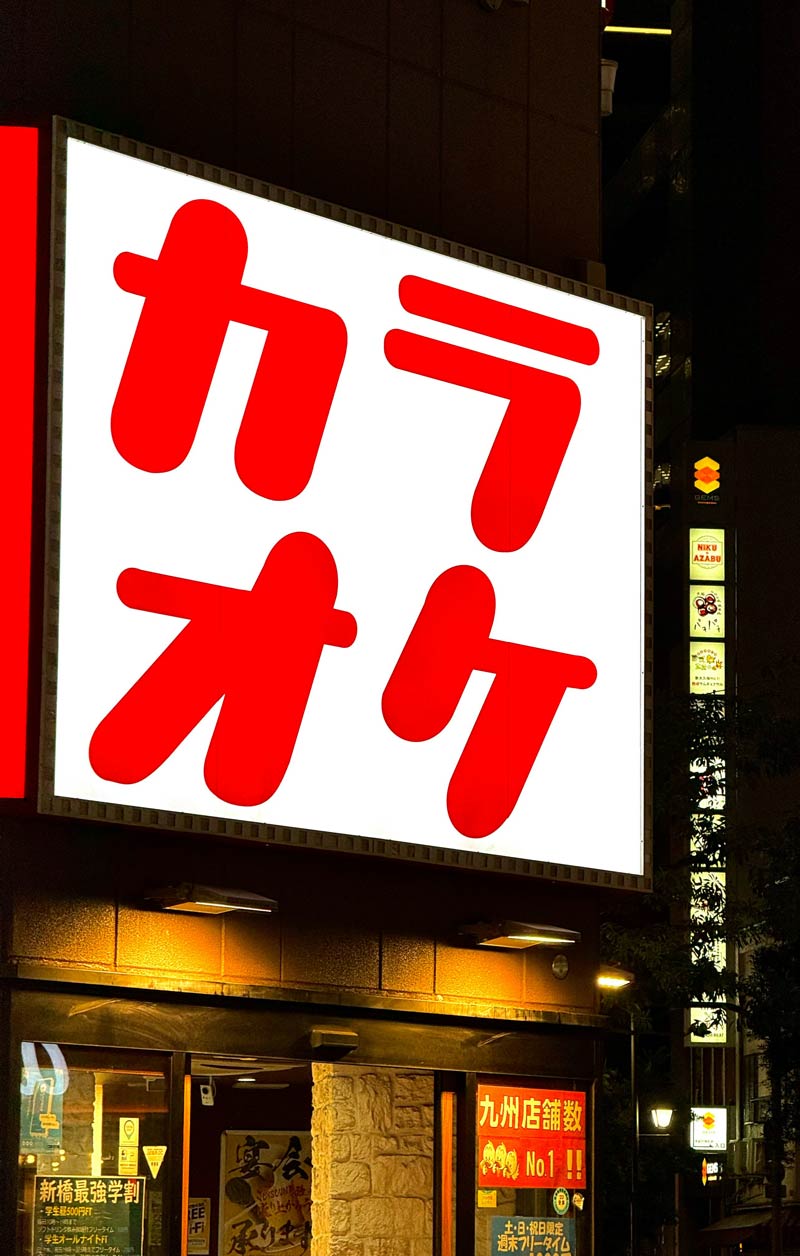
The word itself comes from kara (empty) and oke (orchestra), referring to music tracks without vocals. The concept was popularised in the early 1970s by musician Daisuke Inoue, who created a machine that allowed people to sing along to backing tracks.
What makes karaoke particularly interesting in Japan is the way it has been shaped to suit social comfort. Rather than singing in front of a room full of strangers, many karaoke venues are divided into small private booths, where friends, families or work colleagues can sing together without feeling self-conscious. It turns performance into something shared and supportive rather than competitive.
In this way, karaoke becomes less about singing ability and more about communal connection. It offers a space to relax, to laugh and to express yourself in a gentle, low-pressure environment - something that resonates strongly in a culture that often values group harmony and consideration for others.
Like many Japanese inventions, karaoke is both fun and deeply thoughtful. It creates enjoyable moments but it also helps to remove the barriers that might stop people from joining in.
Adding feeling to everyday words
In a world of quick messages and short texts, it can be surprisingly easy for meaning to feel flat or ambiguous. A simple sentence can sound abrupt, or even unintentionally cold, without the tone of voice or facial expression that would soften it in face-to-face communication.
Emojis offer a practical and yet simple solution to this. Including an emoji adds a small visual cue that helps convey mood, humour or warmth.
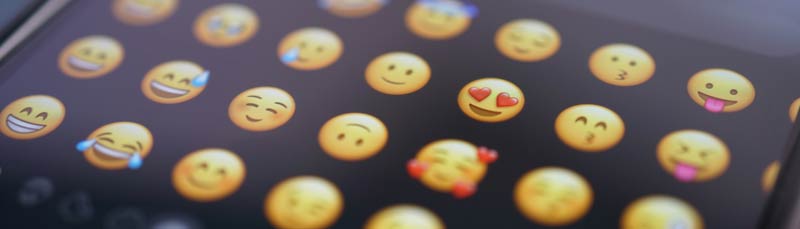
The first set of emojis was created in Japan in 1999 by Shigetaka Kurita, who was working on a mobile internet platform at the time. His original designs were simple and pixelated, inspired by everyday symbols such as weather icons, facial expressions and small moments from daily life.
The aim was to make digital communication feel more human and expressive.
What makes emojis especially meaningful is their ability to cross language barriers. A smile, a heart or a tiny steaming cup can be understood almost anywhere in the world. For people communicating in a second language, they offer a way to soften a message, show friendliness or add humour where you may not have the vocabulary or grammar to hand.
In this sense, emojis reflect a very human-centred approach to design. They recognise that communication is not only about information but also about feelings and nuance. With just a small symbol, a message can become kinder, clearer and more personal.
Like karaoke, emojis create space for expression, helping people share their thoughts and emotions in a way that feels natural and approachable.
Playful realism and visual delight
Some inventions go beyond practicality to add a sense of charm and visual pleasure to everyday life.
Practical, fun and beautifully made replica food
The realistic plastic food displays seen outside restaurants in Japan, known as shokuhin sampuru (食品サンプル), are now a familiar and much-loved sight. But they began in the early 20th century as a simple solution to a very practical problem.

In the 1920s and 30s, as Japan’s cities grew and more people began eating out, restaurants needed a clear way to show customers what they served. Menus were not always standardised and not everyone could easily read them, especially visitors from other regions or overseas. In fact, it’s not taboo to go outside with the waiting staff and point to the dish you want!
The idea is often credited to Takizo Iwasaki, who is said to have created his first wax omelette replica after experimenting at home. From these beginnings, an entire craft industry developed, with artisans carefully hand-painting and shaping each piece to capture the exact colour, texture and shine of real food.
Although originally modelled from wax, today most replicas are made from durable plastics but the level of craftsmanship required to create them remains astonishing.
*
They are both informative and delightful, helping customers choose their meal at a glance, while also adding a touch of theatre to the street.
A companion designed for modern life
In a country where living spaces are often compact and lifestyles can be busy, the idea of a pet that offers companionship without the demands of daily care has a certain appeal. This is where Aibo, the robotic dog developed by Sony, finds its place.
First introduced in 1999, Aibo was designed not simply as a gadget, but as an interactive companion. With expressive eyes, responsive movements and a personality that develops over time, it was created to evoke many of the emotional qualities people associate with a real pet - curiosity, affection and a sense of presence in the home.
Over the years and with advances in technology, Aibo has evolved to become more responsive and adaptive, able to recognise faces, learn routines and interact with its owner in increasingly lifelike ways.
For some, it offers comfort and companionship in a small apartment; for others, it provides a gentle introduction to caring for something that feels alive. In a country with an aging population and a concern about how to care for the elderly, it can normalise interaction with automated technologies that may be relied upon more and more in the future.
Like the beautifully crafted food replicas found in restaurant windows, Aibo sits at the intersection of realism and imagination. It is both practical and playful, a reflection of how Japanese design often embraces new technology while understanding the need for emotional warmth and human connection.
More than quirky ideas
At first glance, some of these Japanese inventions can seem unusual, whimsical or seen as novelties. But when you look a closer, a deeper story begins to emerge.
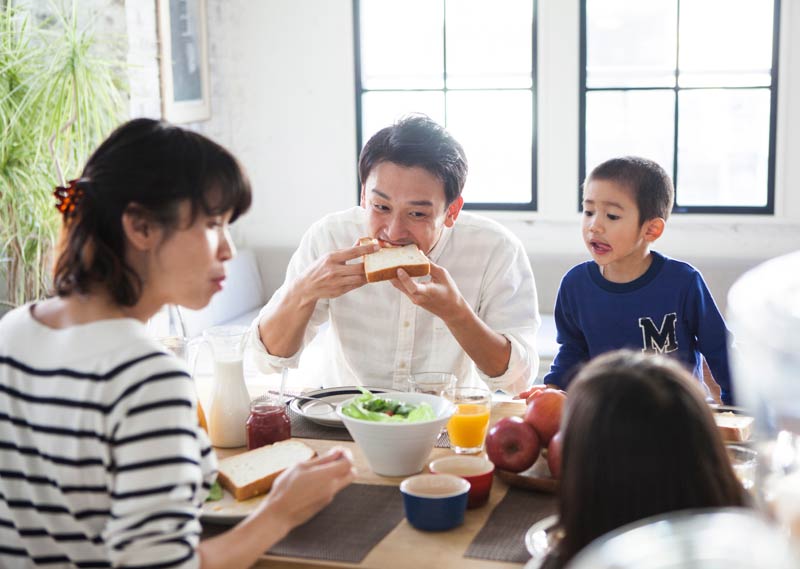
Behind each of these ideas is careful observation, patient experimentation and a genuine desire to make daily life smoother, kinder and more enjoyable. Whether it’s the research of scientists like Minoru Shirota, the quiet precision of engineers refining household appliances, or the craftsmanship of artisans shaping lifelike food displays, there is a shared attention to detail and human experience.
*
These inventions are not simply about convenience or entertainment. They are about removing small frictions, supporting everyday routines and creating moments of comfort, and connection in ordinary life.
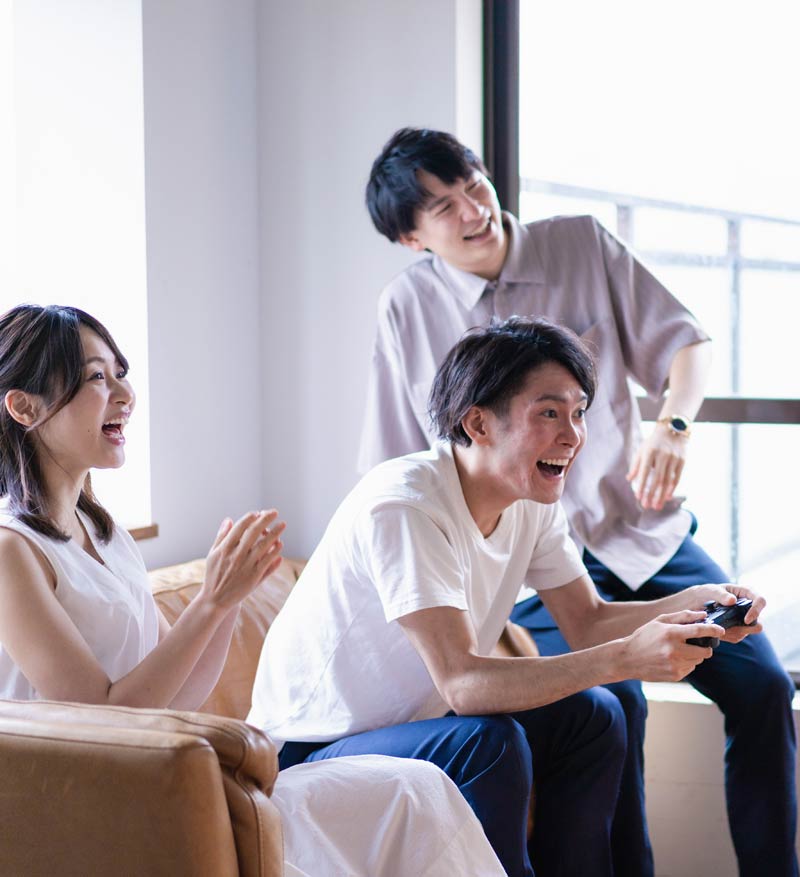
It is this thoughtful approach and ability to blend practicality with warmth and human need that gives Japanese design its distinctive character. Even the quirkiest ideas are rarely frivolous; instead, they reflect a culture that values care, ingenuity and the beauty of things that simply work well.
And perhaps that is why these small inventions leave such a lasting impression. They remind us that everyday life, when thoughtfully designed, can be not only more convenient but richer and full of small pleasures.
*
It’s this spirit of thoughtful design and everyday comfort that continues to inspire the pieces we choose for Hatsukoi - small things, carefully made, that bring a little joy to daily life.
Hatsukoi products to make life more convenient and fun:


*
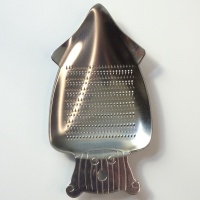
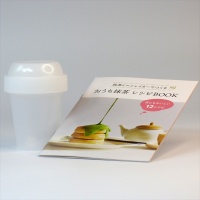
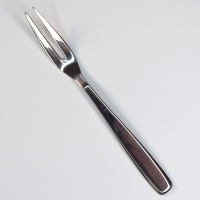
*
Photo credits:
- Woman at vending machine photo by Daesun Kim on Unsplash
- Health drink photo by Gabriel Yuji on Unsplash
- Boss vending machine photo by Naufal Huda Subiakto on Unsplash
- Karaoke sign photo by Vladislavs Buzinskis on Unsplash
- Emoji photo by Tim Witzdam on Unsplash
- Replica food photo by HANVIN CHEONG on Unsplash